
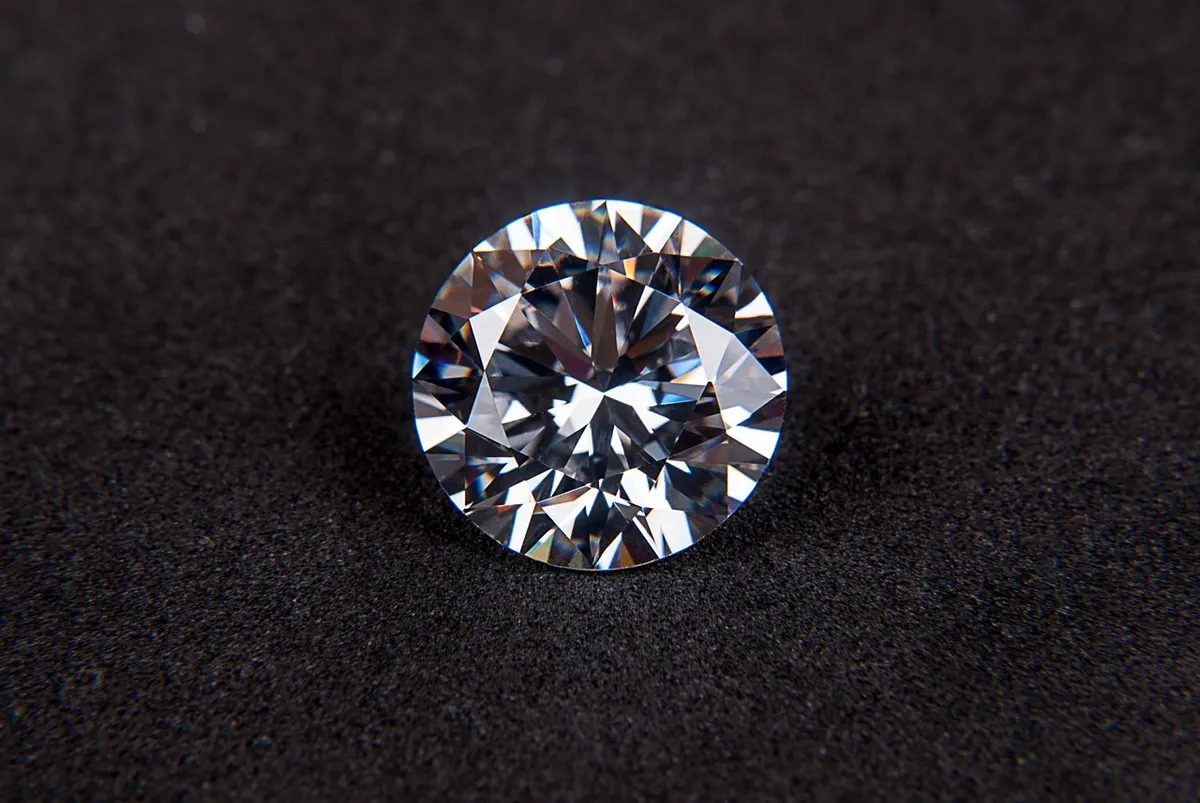
The 4Cs Set In Stone
While all diamonds are beautiful, not all are created equal. Jewelers use a variety of tools to inspect diamonds for imperfections and to assess their quality. This evaluation is guided by the industry-standard "4Cs" of diamond grading: color, clarity, cut, and carat weight.Color Evaluation
Diamonds range from completely colorless, which are the rarest and most valuable, to warm shades of yellow that appear in gradual steps. Their color is best seen under proper lighting against a white background. Jewelers use the GIA color grading scale, which moves from D for colorless stones through the near colorless and faint categories, ending at Z for more noticeable yellow tones.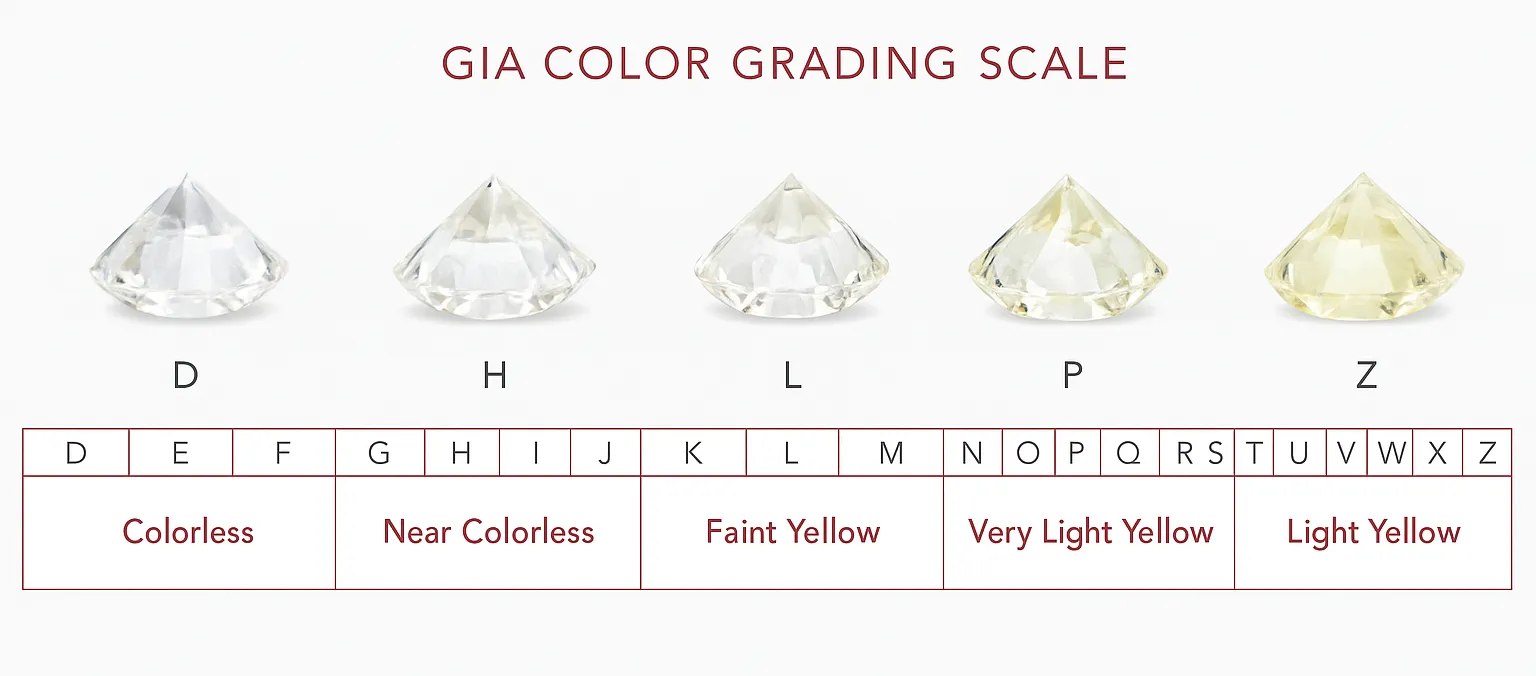
Clarity Assessment
To determine clarity, the diamond is first cleaned and examined under diffused light. While some imperfections may be visible to the naked eye, a magnification loupe is often used for a more detailed inspection. During this process, jewelers may identify inclusions, which are internal flaws such as bubbles or gas pockets formed during the diamond’s creation. They also look for surface blemishes like scratches, nicks, and chips, which can affect the stone’s grade.
Cut Quality
Another critical factor is the diamond’s cut. Jewelers assess the craftsmanship by examining the stone’s facets and evaluating how effectively the cut enhances its brilliance (light return), fire (color dispersion), and luster (surface shine). While these qualities contribute to a diamond’s visual appeal, they alone do not determine its overall grade.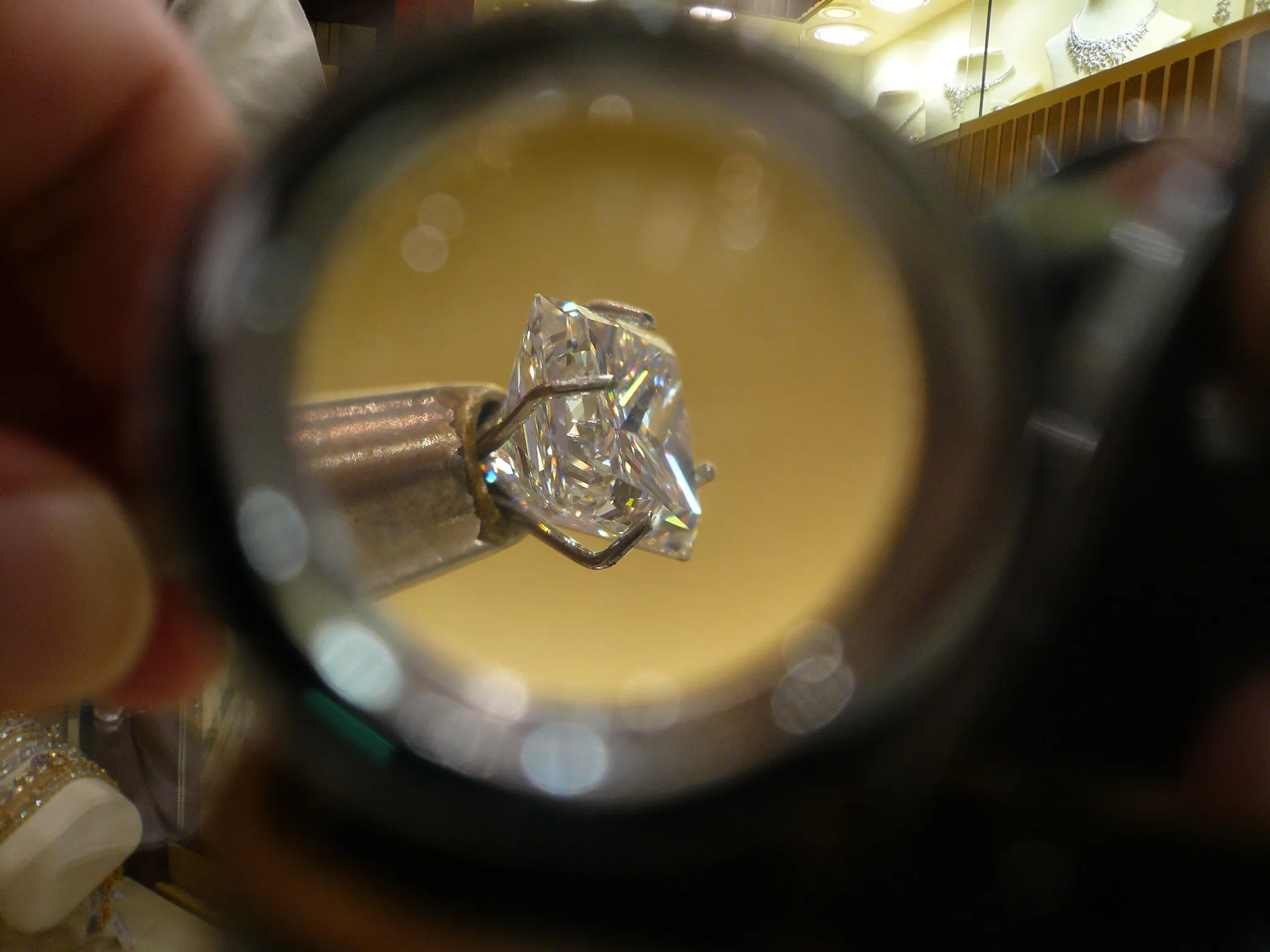 Carat Weight
Finally, jewelers measure the diamond’s carat weight using a precise scale. One carat equals 200 milligrams or 0.2 grams. A diamond’s value typically increases with its weight, but only if it also receives favorable evaluations in the other three Cs—cut, color, and clarity.If you are curious about the quality of your diamond ring, necklace, or earrings, consider visiting a local jeweler for a professional assessment.